


Hajj Travel
Vaccines for South Africans
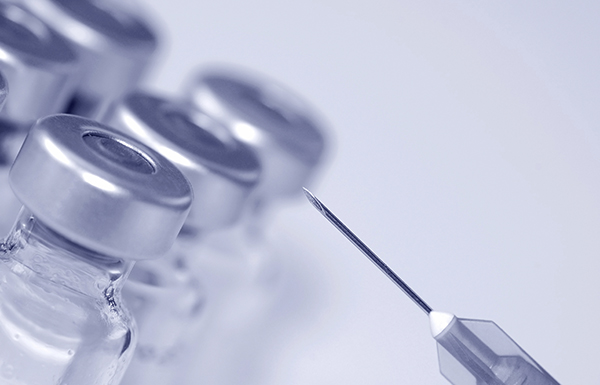
Pilgrims should be boosted with diphtheria and tetanus vaccines if it was not received in the last 10 years. Poliomyelitis has been frequently documented in countries like India, Pakistan, Afghanistan, Sudan and Nigeria, and pilgrims from these countries are required to have polio vaccination before departing for their pilgrimage; they will, in addition receive oral polio vaccine on arrival in Saudi Arabia irrespective of their previous immunisation status.
Children under the age of 15, irrespective of country of origin, are required to show proof of recent polio vaccination. The recent outbreak in Namibia in 2006, which was imported from Angola, to which in turn it was introduced from India, could potentially lead to changed requirements for South African pilgrims, but at present polio vaccination is not mandatory. The concern has been expressed that poliovirus could be spread by returning pilgrims to their respective countries, but this has not been substantiated. An adult booster is available in South Africa, along with diphtheria, tetanus and polio vaccines, combined in a single vaccine.
There has been concern about whooping cough (pertussis) amongst adults as it is associated with significant morbidity, mainly due to the prolonged cough which on average lasts about 44 days. One study revealed a 7.5% incidence amongst those without prior immunity to pertussis. The study involved 358 pilgrims with only 40 having no pre-Hajj pertussis immunity. More investigations are needed before firm recommendations are made. An acellular pertussis booster for adults has been debated, and has recently been licensed in South Africa.
Typhoid vaccination is not routinely recommended as its reported incidence is low among travellers in general, except those travelling to the Indian sub-continent. South African pilgrims frequently wish to visit friends and relatives working in the smaller towns of Saudi Arabia (though the authorities discourage this), and in these cases typhoid vaccination should be offered. The standard of sanitation is quite good at the pilgrimage sites, and food preparation is strictly regulated.
Rabies is not encountered at the pilgrimage sites
For more information, please see this PDF.
Medical Kits
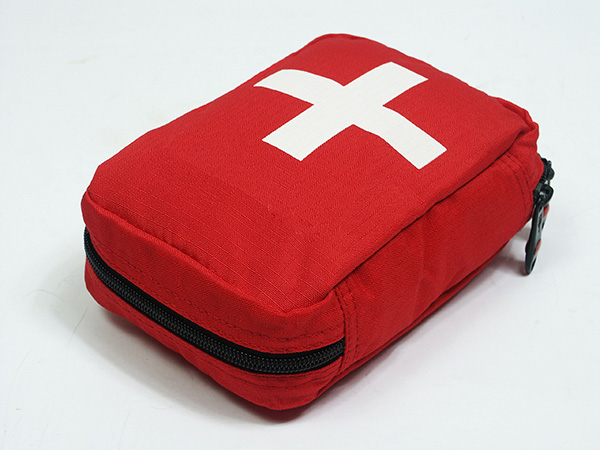
Some pilgrims prepare themselves for Hajj by taking all the necessary precautions that enable them to perform Hajj safely. A medical kit is one of these important precautions as it contains the necessary medications that a pilgrim needs while performing the rituals of Hajj.
There are two types of medications that a pilgrim’s medical kit should contain:
1. Medicine for chronic diseases:
– Pilgrims who suffer from high blood pressure, should put the necessary medications in the kit.
– Pilgrims who suffer from diabetes should put in insulin injections and pancreatic enzyme tablets in their medical kit.
– Pilgrims who suffer from asthma attacks should take inhalers to alleviate dyspnoea.
– Pilgrims who suffer from heart disease should take the necessary medications with them.
A pilgrim should bring enough amounts of these drugs with him after consulting his doctor regarding how to use them before traveling.
2. General medications that a pilgrim needs to treat simple symptoms quickly before visiting a doctor or going to a healthcare centre. The following are the most important of these medications:
– Oral Rehydration salts such as sodium and potassium salts, which a pilgrim needs after sunstroke, heatstroke, severe diarrhoea that may cause dehydration especially for older people. These salts are available in the form of powders or effervescent tablets. Pilgrims who suffer from high blood pressure should avoid using food and sodium salt.
– Antipyretic drugs that are used for relieving pain and reducing fever such as Paracetamol
– Expectorant cough medicine and common cold drugs, because the weather may be cold at night in these region during this time of the year. This causes common cold, but anti-flu vaccination before traveling may considerably reduce the danger of infection.
– An ointment for the treatment of burns and some creams to alleviate inflammation and sunburn.
– Antacid drugs for treating light stomach inflammation.
– Stomach painkillers and drugs for alleviating pain of the digestive system such as Buscopan
– Medical gauze and cotton and disinfectant for wounds such as Dettol
These are the most important contents of the medical kit that a pilgrim should carry with him during his travel and when performing the rituals to maintain his safety and health.
General Travel
The field of travel medicine encompasses a wide variety of disciplines, including:
– Epidemiology
– Infectious disease
– Public health
– Tropical medicine
– High altitude physiology
– Travel related obstetrics
– Psychiatry
– Occupational medicine
– Military and migration medicine
– Environmental health
Dr Parker is able to assist with cruise ship travel, diving, mass gatherings (e.g. the Hajj), and wilderness/remote regions travel.
Travel medicine can primarily be divided into 4 main topics:
– Prevention: vaccination and travel advice
– Assistance: dealing with repatriation and medical treatment of travellers
– Wilderness medicine: high-altitude medicine, cruise ship medicine, expedition medicine, etc.
– Access to health care provided by travel insurance.
Dr Salim Parker Provides:
– Immunizations required and recommended for entry into foreign countries.
– Pre-travel consultation focusing on destination-specific health risks from food and water, parasitic disease, insect-borne illness such as malaria or dengue fever and effective preventative measures.
– Information on emergency contact and physician referrals, and provide access to carefully screened physicians and medical facilities worldwide.
– Computerized printout of destination-specific health risks, climate information, embassy and consulate phone numbers.
– Specialized consultation for foreign relocation, expatriate and extended travel.
– Specialized consultation for travellers with pre-existing medical conditions and those with special needs.
– Diagnosis and treatment of post-travel illness
If you are planning on travelling in the near future and are unsure whether you require vaccinations, visit the Centre for Disease Control and Prevention website:
About Us
Dr Salim Parker is a General Practitioner with an interest in Hajj and Travel Medicine and engages patients in extensive pre-travel consultations. Dr Parker has been accompanying pilgrims as a medical officer since 2000 and often gives Hajj Travel Talks at Hajj classes in Cape Town.